Sunday, July 8, 2007
Future Posting
Well, it's me again! And I plan to be posting a little (only because I (unfortunately) have a little free-er computer access now.


Thursday, May 24, 2007
הערות על ספר אמת מארץ תצמח
בעזרת השם this will be the first post I'm writing in quite a while..
ספר אמת מארץ תצמח, the beginning: I don't know why he has to take inferences from Rashis in on the Torah quoting vague "מדרשי פליאה", and take them as the given religious dogma truth על פי התורה. It could be a lot of it is true that these begging of time things shouldn't be so "מוכרע בעיני הכל", but his opinions also aren't.
ספר אמת מארץ תצמח, the beginning: I don't know why he has to take inferences from Rashis in on the Torah quoting vague "מדרשי פליאה", and take them as the given religious dogma truth על פי התורה. It could be a lot of it is true that these begging of time things shouldn't be so "מוכרע בעיני הכל", but his opinions also aren't.
Monday, January 22, 2007
Thursday, January 4, 2007
First Orlando post: "הודו"
It seems to be very implied in the פרקי תהילים we say for קבלת שבת and for שחרית that one should actually do what the missionaries do, and preach Monotheism to the nations. Why do they and don't we?
Monday, December 18, 2006
Another Interesting Christianity Tidbit
I would say there were a few main influences to non-Jewish Christianity (over and above Jewish Christianity, which was mainly believing that the Messiah had already came, but still adhering to the Law of Moses etc.).
I wrote it in a nice graph, but I can't do that here...
1. General interest in monotheism in the Middle East/Mediterranean area at that time, and their abandonment of Paganism (though they still refused all the "hard laws" of Judaism- Islam did not yet exist and Judaism was much more numerous and influential back then).
2. General Pagan traditions and already established religious institutions, practices and modes of worship (not to mention European Christianity, and it's traditions and stigmas, which are all Pagan European ( which is the only way they know how to represent any religion).
3. "עשרה הרוגי מלכות" and "כפרת עוונות"; i.e. the idea that the suffering of one person can atone for many (at it's core a Jewish idea, but taken to it's far extreme by Christians).
4. Hillel and peace loving. He lived in the time of Jesus, and was the known founder of the concept of emphasising those ideas (Christians use those kinds of ideas to downplay the law (as do many Jews; Tikun Olam).
5. Philo of Alexandria created a written philosophy for the מצוות not being meant to actually do in all generations.
6. The Essenes group (איסיים) tried to be 'super holy', and for example, many of them didn't marry (they lived at the time).
To me these are the main (mostly Jewish) ideas that went into Paul's founding of "non-Jewish Christianity" in the Mediterranean basin.
ממני העבד-
I wrote it in a nice graph, but I can't do that here...
1. General interest in monotheism in the Middle East/Mediterranean area at that time, and their abandonment of Paganism (though they still refused all the "hard laws" of Judaism- Islam did not yet exist and Judaism was much more numerous and influential back then).
2. General Pagan traditions and already established religious institutions, practices and modes of worship (not to mention European Christianity, and it's traditions and stigmas, which are all Pagan European ( which is the only way they know how to represent any religion).
3. "עשרה הרוגי מלכות" and "כפרת עוונות"; i.e. the idea that the suffering of one person can atone for many (at it's core a Jewish idea, but taken to it's far extreme by Christians).
4. Hillel and peace loving. He lived in the time of Jesus, and was the known founder of the concept of emphasising those ideas (Christians use those kinds of ideas to downplay the law (as do many Jews; Tikun Olam).
5. Philo of Alexandria created a written philosophy for the מצוות not being meant to actually do in all generations.
6. The Essenes group (איסיים) tried to be 'super holy', and for example, many of them didn't marry (they lived at the time).
To me these are the main (mostly Jewish) ideas that went into Paul's founding of "non-Jewish Christianity" in the Mediterranean basin.
ממני העבד-
Thursday, December 14, 2006
Another Interesting Site
The Site.
"Mixes" Bible critisizm with New Testament critisizm. Bible- Da' ma shetashiv.
New- The historical truth about the subject (a lot of misconceptions out there!)
"What is interesting about the Jesus Movements as the source of Christianity and the Jesus myth, is that they were the source of Gnosticism, which for many decades, was considered by scholars to be a Christian heresy which arose in the second century. Scholars had presumed this mostly as a result of the comments made in the screeds of Iraeneus, who railed against this widespread and threatening "heresy" endlessly. But it is now widely accepted that Gnosticism was widespread by the time Jesus is supposed to have lived, and now, having the Nag Hammadi library as a treasure trove of new information, we now know that its mythology was Jewish, not Christian, its metaphysics was Neo-Platonic and Neo-Stoic, and it shared ideas from Egyptian, Greek, Jewish and "Hermetic" mystery religions, and was an outgrowth of the Jesus Movements.
Yet, when one reads the Nag Hammadi gospels we have today, we also read constant references to Jesus, including such stories as the Last Supper and the Crucifixion - evidence that the Gnostic gospels themselves borrowed from later Christian sources. But the Jesus myth's widespread popularity among the Gnostics by the first third of the first century leads to the suggestion that, unless a wholesale and dramatic conversion took place (for which there is no evidence whatever), the Jesus myth was already widespread among the Gnostics by the time Jesus was supposed to have lived and died, and he died a long time ago. He wasn't a contemporary divine Messiah-figure. At least not yet."
"Mixes" Bible critisizm with New Testament critisizm. Bible- Da' ma shetashiv.
New- The historical truth about the subject (a lot of misconceptions out there!)
"What is interesting about the Jesus Movements as the source of Christianity and the Jesus myth, is that they were the source of Gnosticism, which for many decades, was considered by scholars to be a Christian heresy which arose in the second century. Scholars had presumed this mostly as a result of the comments made in the screeds of Iraeneus, who railed against this widespread and threatening "heresy" endlessly. But it is now widely accepted that Gnosticism was widespread by the time Jesus is supposed to have lived, and now, having the Nag Hammadi library as a treasure trove of new information, we now know that its mythology was Jewish, not Christian, its metaphysics was Neo-Platonic and Neo-Stoic, and it shared ideas from Egyptian, Greek, Jewish and "Hermetic" mystery religions, and was an outgrowth of the Jesus Movements.
Yet, when one reads the Nag Hammadi gospels we have today, we also read constant references to Jesus, including such stories as the Last Supper and the Crucifixion - evidence that the Gnostic gospels themselves borrowed from later Christian sources. But the Jesus myth's widespread popularity among the Gnostics by the first third of the first century leads to the suggestion that, unless a wholesale and dramatic conversion took place (for which there is no evidence whatever), the Jesus myth was already widespread among the Gnostics by the time Jesus was supposed to have lived and died, and he died a long time ago. He wasn't a contemporary divine Messiah-figure. At least not yet."
Interesting Site About Christianity
The Site.
"The POCM web site introduces you to the mainstream modern scholarship about Christianity's origins in ancient Pagan religion.
You already know Christmas trees and Easter eggs were originally Pagan, and you probably know the traditional mid-winter and spring timing of the two holidays was Pagan too. Mildly interesting. Not what you'll find here.
What you'll discover here is that Christianity inherited everything from the Pagans. The core of Christianity -- the worship of a dying Godman who is resurrected, ascends into heaven and brings salvation to mankind -- was also the core of a number of ancient Pagan religions that began in the Near East two thousand years before Jesus. Christian theology borrowed more than the archaic myth of the dying-resurrected Godman. Initiation by baptism, communion with the God through a holy meal that represented the flesh of the dead God, the Holy Spirit, monotheism, and immortality of the soul were all core beliefs of many ancient faiths. They were simply part of ancient Mediterranean culture.
Christianity also borrowed elements of Jesus' mythology: the virgin birth, the miracles (including turning water into wine, walking on water, and especially healing the sick) were all common elements of pre-Christian Pagan religions. Mithras had 'em. So did Dionysus, Attis, Osiris, and Orpheus. And more. And they had them centuries before Christianity was a twinkle in Saint Paul's eye."
"The POCM web site introduces you to the mainstream modern scholarship about Christianity's origins in ancient Pagan religion.
You already know Christmas trees and Easter eggs were originally Pagan, and you probably know the traditional mid-winter and spring timing of the two holidays was Pagan too. Mildly interesting. Not what you'll find here.
What you'll discover here is that Christianity inherited everything from the Pagans. The core of Christianity -- the worship of a dying Godman who is resurrected, ascends into heaven and brings salvation to mankind -- was also the core of a number of ancient Pagan religions that began in the Near East two thousand years before Jesus. Christian theology borrowed more than the archaic myth of the dying-resurrected Godman. Initiation by baptism, communion with the God through a holy meal that represented the flesh of the dead God, the Holy Spirit, monotheism, and immortality of the soul were all core beliefs of many ancient faiths. They were simply part of ancient Mediterranean culture.
Christianity also borrowed elements of Jesus' mythology: the virgin birth, the miracles (including turning water into wine, walking on water, and especially healing the sick) were all common elements of pre-Christian Pagan religions. Mithras had 'em. So did Dionysus, Attis, Osiris, and Orpheus. And more. And they had them centuries before Christianity was a twinkle in Saint Paul's eye."
Wednesday, December 13, 2006
Jason Weiner on Black Hats

.
I was recently reading through the first volume of "מילין חביבין", Yeshivat Chovevei Torah's new Torah journal, and found one of the articles to be more than a bit misguided in my opinion. Jason Weiner's article (on page 127) was nice and written well, but honestly a little absurd.
First of all, in half the Jewish world, in Arabic, Islamic, and Balkan countries, Sefaradic Jews did not wear Western clothing at all, and certainly not those types of hats! They would only view the "black hat phenomenon" as Europeanism, or perhaps even a form of embracing liberal Westernism (exactly the opposite of how the Haredim view it. i.e. for the very reason Haredim wear it, Sefaradim shouldn't; to be "protected" from "over Westernisation").
Halakhicly: there are always two main aspects of halakhah, the actual halakhah and "מעשה רב" (minhag and the historical development and practice of Jewish law). From the "legal" perspective one cannot say that being without a hat or other head covering is ever “inappropriate” (long story halakhicly, but see שו"ת קציני אר"ץ and שו"ת יביע אומר on the subject).
From a historical perspective it is known that our ancestors in ancient Israel (for example) did not cover their heads. The only reason people started wearing skullcaps in the first place is because that’s what the general population in Europe wore, only in order to keep their heads warm! There never has been any "Jewish" mode of dress, and we are not permitted to create one now, not halachically and not ideologically. Historically Jews dressed exactly as the non-Jews, based totally on the standards of that time and place, unless forced to wear particularly “Jewish” clothing by the non-Jews (which were only decidedly “Jewish” by the non-Jews) and when they moved from those countries they usually changed their garb again to fit the new standards. ..The very fact that so many religious Jews do not wear black hats and suits for religious reasons would nesitate the idea that wearing it would be an attempt at separating oneself from "כלל ישראל" (everyone agrees that to suggest that it would be more proper if all religious Jews around the world wear black hats is both completely bogus and impossible).
Judaism is obviously not about the clothing people wear, if one were to make it out to be that, they are only minimising the realm of halakhah. Judaism is a religion, which we are not to add to.
Suits are also an aspect of modern standards of dress just as T-shirts are, only one is more casual and the other is more formal. Yet not everyone has a mitzvah to dress formal 24/7! Suits are obviously not meant to be worn consistently according to contemporary standards. Maybe Rabbinic scholars and their students should dress like that, but not every guy who attended a yeshiva is an aspiring Rabbinic scholar. Yeshiva today in the Orthodox world is just a parallel to college just as the "Cheider" (or "Talmud Torah") were parallel to non-Jewish grade school at any given era or locale. It's just that the standards have gotten higher. There is still a separation, though, between young men who attend yeshivas and actual or aspiring Rabbis. I still wouldn't say that particularly European dress is necessary for Rabbis, I don’t even know that a suit is necessary.
Another point he failed to consider in his article is that black hats and such may be the way Hasidim in south-eastern Europe dressed, but it is not how the yeshivas in north-eastern Europe or western Europe dressed. In a way it seems they were both just mimicking local fashions; Lithuanian and German Jews were copying western European styles, and Polish and south-eastern European Jews were copying an older style of the local dress itself. The opinion of most Chasidic Rabbis was to remain with (what was considered to be) traditional Jewish dress, especially during a time when the world was quickly modernizing.
Therefore even though the yeshivas today call themselves "Lithuanian-style", most of the actual student body are usually the descendants of Chasidic south-eastern European holocaust survivors, and follow in their (Chasidic) ways. In a way, their wearing of suits and hats is a moderate diversion from the modern modes of dress, whereas the Chasidic styles in Europe were also a moderate diversion from the dress of their place and time. We see then that, in essence it’s not about "black hats" or "Chasidic dress", it’s about the age-old question of preservation of the "old ways" in the face of modernity and change. So to reiterate, it might at times be beneficial to preserve some old cultures and traditions, but generally it was not the "Jewish way" to preserve the standards of dress from country to country! ומעשה רב עיקר!
Tuesday, December 12, 2006
Sunday, December 10, 2006
Re: רמב"ם- תלמיד חכם
Just wanted to mention that the רמב"ם uses the term 'תלמיד החכמים'- i.e. 'was' (and is) the student of wise. Now he himself is a 'חכם' (who also officiates as a 'master' (רב) to students).
To reiterate; when the רמב"ם (for example) speaks about how 'תלמידי חכמים' should or shouldn't present themselves, he's talking about both 'צורבא מרבנן' (rabbinic students) and 'חכמים עצמם' (and their teachers).
זאת אומרת למד אצל רבו, שהוא חכם- ונהיה תלמיד של חכם (או תלמיד "חכמים"- מסורת התורה). ועכשיו גם הוא חכם, ורב לתלמידים
To reiterate; when the רמב"ם (for example) speaks about how 'תלמידי חכמים' should or shouldn't present themselves, he's talking about both 'צורבא מרבנן' (rabbinic students) and 'חכמים עצמם' (and their teachers).
זאת אומרת למד אצל רבו, שהוא חכם- ונהיה תלמיד של חכם (או תלמיד "חכמים"- מסורת התורה). ועכשיו גם הוא חכם, ורב לתלמידים
Wednesday, December 6, 2006
Philosophers by race

Now, I'm not going to go on about this, because I can't, I don't know (nor can I remember) enough about the subject, but: I saw a new (good) Jewish book on the חגים in stores, in which the back cover quoted a Greek philosopher as saying that the Jews were "philosophers by race". I liked that line so much I was thinking about making it the title of this blog! Because while it's true that, for example, in בית שני times there was a lot of קריאה, שינון, and לימוד going on, but without a doubt the Jews were also very much preoccupied with philosophical thought, analysis and criticism.
In general I personally feel that philosophy and logic shouldn't just be the basis of religious thought, but of all thought. It doesn't matter where you're coming from in the spectrum of intellectual thought; of first and foremost importance is always using the tools of logic, and of philosophical thought, analysis and criticism, and applying them to every idea new and old to you.
(As an aside I think it's very worth while looking into the writings of the European enlightenment writers (1600's to 1900's) on the ideas of logic and philosophy, because there cannot be a proper exchange of human ideas without them!)
ממני העבד-
Hebrew defenitions: חכם, ותלמיד חכם
I saw a gentleman on the bus (who didn't look Jewish) find a book next to him on the bus, and take it with him (with what looked like the intention to read it). I suspected him of being both non-Jewish, and not a תלמיד חכם obviously. I don't think that was right of me. It could be he was Jewish, and just didn't see any (halachic) point in wearing a head covering. It could also be he was somewhat of a תלמיד חכם because he knew the law that he was allowed to take it, etc.)
I think the definition of "תלמיד חכם" means someone who learned well from their "רב" (Master). It does denote being a "good student", but more than that, a disciple of a "חכם". In Hebrew חכמה denotes knowing a certain amount of information, so it would mean; "someone who keeps the information that they were taught and that they reviewed (ששינן) by the חכם". The חכם himself was and is also still a "תלמיד חכם", but now he's less of a student and more of a conduit of knowledge.
(Latter addition: The Rambam says a talmid chacham should cover his head; could be that's where the idea that everyone should (halachicly) cover their heads came from).
ממני ס"ט
I think the definition of "תלמיד חכם" means someone who learned well from their "רב" (Master). It does denote being a "good student", but more than that, a disciple of a "חכם". In Hebrew חכמה denotes knowing a certain amount of information, so it would mean; "someone who keeps the information that they were taught and that they reviewed (ששינן) by the חכם". The חכם himself was and is also still a "תלמיד חכם", but now he's less of a student and more of a conduit of knowledge.
(Latter addition: The Rambam says a talmid chacham should cover his head; could be that's where the idea that everyone should (halachicly) cover their heads came from).
ממני ס"ט
Sunday, December 3, 2006
אושפיזין

I watched the film "Ushpizin" last night (my mother wanted me to!) and learned a few things from it:
1. An idea which I recently made concise; "every action has an equal and opposite reaction" in regards to our actions and their consequences (punishment). Non-Jews have a harder time with this concept. (The guy attached everything that happened to him to things he did wrong).
2. כח התפילה. Thoughtful prayer could change reality.
3. גיבור על היצר. The guy in the movie was a good example of forcing ones self not to take the easy road, and to force ones self to do something they don't want to do.
4. It also connecting with the 'סוגיא' I was looking into that evening about parnasa v.s. Talmud-Torah. The 'Yalkut Yosef' says it's "better to learn, and suffice with the kollel stipend". We see from the movie, that he was in kollel, but because of his poverty his mind wasn't "open to to concentrate on perfecting his G-dly service".בית נאה...מרחיבין דעתו של אדם וכו
5. From one of the previews I learned about how much we should appreciate and take advantage of life in the way we're living it.
6. And I suppose I (to a very small extent) also thought about slightly rethinking my position about films and theater (could be 'מותר לשיעורין'- in order to think about topics you otherwise wouldn't, to help in G-dly service.
ממני הצעיר-
Thursday, November 30, 2006
Miriam Adahan: Awareness
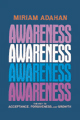 I highly recommend this book, to myself(!) and to others.
In general I hold highly of the writings of Miriam Adahan- the reason for that I can't go into it fully here. But very basically; kind of like the book actually says- you can't serve G-d if you don't even know who you are. That's why we have to know a certain amount of psychology. But alone, psychology is very devoid of G-dly-ness. It's hard to know how it affects you in an 'ethical' way . And that's why a legitimate religious-Jewish approach towards psychology, which not only integrates the ideas of mussar into it, but is only used as a tool to fully understand mussar (especially in the 'innovative' way it was understood in Lithuania and beyond) is necessary. This is one of those books.
As for a description, uhh, well, this is what the Feldheim site says "An in-depth analysis of the nine principle personality types, based on an amazingly accurate, ancient classification system called the Enneagram. The author demonstrates how an understanding of one's strengths and weaknesses can lead to spiritual growth".
Want to buy it?(!)
ממני העבד-
Monday, November 27, 2006
מה דינם של שירי חשק- המכונים בלשון חז"ל שירי עגבים
ספק: האם מותר לשמוע או לשיר שירים אשר אינם דנים אלא בעניני אהבה אשר "בינו ובינה"? אני תמיד אמרתי לנפשי, האדם שר (ושומע שירים) על דברים אשר בעבורו הם בגדר "ענינא דיומא", אז אם שומע הוא רק שירים על נשים ואהבתן, מוכח בהדיא שבדבר הזה הוא שם כל מעינו (מוטב שהאדם ישיר שירים הדנים על דברים אשר בין אדם למקום- להראות ששם חפצו האמיתי. (וכך אומרים אפילו כמה מהנוצרים האדוקים באמריקה, המכוים איבנגליקלס .
אבל גם ידוע שחכמי ופייטני ספרד בתקופת תור הזהב כתבו "שירי אהבה", אשר עבורי קשה להבחין אם הם מכווונים באמת על נשים ממש, או על משל לשכינה וישראל, אבל על הצד שכן דנים על נשים, רואים מכאן את דעתם להתיר.
וצע"ע. ודו"ק
ממני- ס"ט
אבל גם ידוע שחכמי ופייטני ספרד בתקופת תור הזהב כתבו "שירי אהבה", אשר עבורי קשה להבחין אם הם מכווונים באמת על נשים ממש, או על משל לשכינה וישראל, אבל על הצד שכן דנים על נשים, רואים מכאן את דעתם להתיר.
וצע"ע. ודו"ק
ממני- ס"ט
מהו גדר -איכא דרכא אחרינא
ספק- היכא אמרינן היכא דאיכא דרכא אחרינא נקרא רשע, והיכא אמרינן שכמעט דבר זה הוא בגדר ליכא דרכא אחרינא. כגון טלפון ואינטרנט שכמעט לכמה אנשים הם הכרחי חיים. וצע"ג
Thursday, November 23, 2006
עוד אחד- דומה לראשון במהותו ובחשיבותו
עוד מאמר על מאכלים המזיקים
How to give yourself cancer in five easy steps
"Following with our ever-popular series on "How to Get Disease," this article discusses how to give yourself a raging case of cancer. It could be breast cancer, colon cancer, prostate cancer or even something like leukemia. By following the instructions in this article, you can give yourself almost any form of cancer desirable and if you pursue these strategies to their fullest potential, you could end up with several different forms of cancer all at once. So, let's get started and learn how to give yourself cancer.
If you're aiming for a raging case of cancer, the first thing you've got to do is start consuming food ingredients that actually promote cancer. One of the most powerful cancer-promoting food ingredients of all is called sodium nitrate. This is an ingredient that is added to virtually all packaged meat products including hot dogs, pepperoni, ham, lunchmeat and other similar products. You'll also find it in bacon, sausages and most breakfast meats. It's listed right on the ingredients labels of all of these foods. In order to find sodium nitrate, all you have to do is walk around the grocery store, read the ingredients labels of various packaged meat products and purchase those products that contain it. Then, consume them on a frequent basis and before long, you will greatly increase your odds of being diagnosed with cancer.
There are other ingredients that are suspected of causing cancer. These include hydrogenated oils, aspartame, saccharin and artificial colors, to name a few. A diet that is very high in refined carbohydrates has also been clinically shown to increase your odds of being diagnosed with cancer, so be sure to get plenty of these foods in your pro-cancer diet. That means chowing down on white bread, sweetened breakfast cereals, white fluffy pancakes, candy bars, granola bars, cookies, crackers and sweets of all kinds.
The next thing you can do to give yourself cancer is one of the more obvious things: take up a smoking habit. The more you smoke, the more likely you are to get cancer, especially if you're eating cancer-causing foods and ingredients as discussed above. By smoking, you will multiply the carcinogenic effect of everything else in your life. Before long, you will succeed in your goal at being diagnosed with cancer.
If you'd like to move things along a little more quickly, you can also stay out of all sunlight and use plenty of sun block and sunscreen any time you go outside. This will prevent natural sunlight from touching your skin. Now, how will this give you cancer? It turns out that natural sunlight is powerful prevention for cancer. People who get plenty of natural sunlight have a greatly reduced risk of being diagnosed with prostate cancer, breast cancer and many other disorders that aren't cancer-related such as osteoporosis and mental depression. By staying out of the sun or using sun block and sunscreen every time you're under the sun, you can prevent your body from preventing cancer, thereby giving yourself a much greater risk for cancer with each passing day. If you find it difficult to avoid the sun, just get a night shift job where you work all night and sleep all day. That's a hugely successful pro-cancer strategy.
Another thing you can do is avoid all physical exercise. It turns out that moving your body helps you prevent cancer. Part of the reason is that body movement moves lymph fluid around, and this is an important function of your immune system that fights cancerous cells. If you refrain from all body movement, you will hamper your body's ability to fight off cancer, thereby further increasing your odds of being diagnosed with this chronic disease.
One thing to keep in mind in all of this is that everybody has cancer right now. In other words, there are cancerous cells in the human body of every person who is living and breathing right now, at this very moment. All you have to do to get diagnosed with cancer is make sure your immune system is sufficiently suppressed so that your body can't take care of the cancerous cells on a regular basis. In other words, if you destroy your immune system function through poor nutrition, nutrient depletion, smoking, lack of sunlight and lack of physical exercise, then it won't be able to do its job of cleaning up cancerous cells around the body and as a result, cancer will become a full-blown disease in no time.
In fact, all of these strategies for giving yourself cancer have one thing in common: the suppression of your natural immune system. Now, if you've been following along and you don't have cancer yet from doing everything mentioned here, and you want to increase your odds even further, the very best thing you can do is actually get chemotherapy or radiation therapy. All you have to do is go to an oncologist and tell them that you think you have cancer, and they may find some reason to put you on chemotherapy or radiation therapy. These therapies do such an outstanding job of destroying the human immune system that you might find yourself experiencing multiple cases of cancer at various sites throughout your body in the subsequent months and years. Chemotherapy is perhaps the most effective method known to modern science for destroying the human immune system other than working at Chernobyl during a nuclear accident. So, if you’re looking to contract cancer as quickly as possible, make sure that you get chemotherapy into your life as early as you can.
By combining all of these strategies, you should be able to give yourself cancer without much effort on your part and without having to wait too long. After all, it would be a shame to die from natural causes and not have the opportunity to "invest" in the R&D efforts of pharmaceutical companies who peddle anti-cancer drugs.
Are you crazy?You might be asking me, "Why on earth am I writing an article that tells people how to give themselves cancer?" The answer is because virtually all Americans are following this plan right now, today. They are giving themselves cancer step by step by using precisely the detailed plan that I have outlined here. And when they are suddenly diagnosed with cancer, they have a puzzled look on their faces and ask, "Gee, why do I have cancer?" The answer is because they've been following the cancer plan as outlined in this article -- all the foods they've eaten, their lifestyle choices, lack of exercise, lack of sunlight, smoking habits and reliance on chemotherapy and other radical western medical procedures has, in fact, accelerated their cancer and put them in the position they're in today.
All I've really done here in this article is described the plan most Americans are already following. This is the pro-cancer plan that's actually promoted by brand-name food manufacturers, pharmaceutical companies, and most of conventional medicine. For example, how many doctors are still screaming for people to avoid sunlight like it was the plague? Practically all of them, last time I checked. It's almost as if the entire medical community actually wanted the population to get cancer. Sadly, the entire anti-cancer campaign of conventional medicine seems to be limited to three words: "Don't smoke tobacco."
Of course, most individuals aren't really interested in contracting cancer. They'd rather prevent cancer or even reverse cancer, and now after learning how to give yourself cancer, the process for avoiding that is fairly straightforward: don't do any of the things that have been mentioned in this article. That is, avoid smoking; get plenty of sunlight; get outstanding nutrition and avoid all food ingredients that are known to promote cancer such as sodium nitrite, hydrogenated oils, refined carbohydrates and chemical additives. Also avoid chemotherapy since it is the most powerful way we know of to destroy the human immune system, thereby leaving you more vulnerable to cancer.
I present this information as a unique way to get the point across to people that if they don't want to have cancer in their lifetimes, they need to get off the cancer plan and get on to a plan that actually prevents this terrible disease."
ממני העבד-
How to give yourself cancer in five easy steps
"Following with our ever-popular series on "How to Get Disease," this article discusses how to give yourself a raging case of cancer. It could be breast cancer, colon cancer, prostate cancer or even something like leukemia. By following the instructions in this article, you can give yourself almost any form of cancer desirable and if you pursue these strategies to their fullest potential, you could end up with several different forms of cancer all at once. So, let's get started and learn how to give yourself cancer.
If you're aiming for a raging case of cancer, the first thing you've got to do is start consuming food ingredients that actually promote cancer. One of the most powerful cancer-promoting food ingredients of all is called sodium nitrate. This is an ingredient that is added to virtually all packaged meat products including hot dogs, pepperoni, ham, lunchmeat and other similar products. You'll also find it in bacon, sausages and most breakfast meats. It's listed right on the ingredients labels of all of these foods. In order to find sodium nitrate, all you have to do is walk around the grocery store, read the ingredients labels of various packaged meat products and purchase those products that contain it. Then, consume them on a frequent basis and before long, you will greatly increase your odds of being diagnosed with cancer.
There are other ingredients that are suspected of causing cancer. These include hydrogenated oils, aspartame, saccharin and artificial colors, to name a few. A diet that is very high in refined carbohydrates has also been clinically shown to increase your odds of being diagnosed with cancer, so be sure to get plenty of these foods in your pro-cancer diet. That means chowing down on white bread, sweetened breakfast cereals, white fluffy pancakes, candy bars, granola bars, cookies, crackers and sweets of all kinds.
The next thing you can do to give yourself cancer is one of the more obvious things: take up a smoking habit. The more you smoke, the more likely you are to get cancer, especially if you're eating cancer-causing foods and ingredients as discussed above. By smoking, you will multiply the carcinogenic effect of everything else in your life. Before long, you will succeed in your goal at being diagnosed with cancer.
If you'd like to move things along a little more quickly, you can also stay out of all sunlight and use plenty of sun block and sunscreen any time you go outside. This will prevent natural sunlight from touching your skin. Now, how will this give you cancer? It turns out that natural sunlight is powerful prevention for cancer. People who get plenty of natural sunlight have a greatly reduced risk of being diagnosed with prostate cancer, breast cancer and many other disorders that aren't cancer-related such as osteoporosis and mental depression. By staying out of the sun or using sun block and sunscreen every time you're under the sun, you can prevent your body from preventing cancer, thereby giving yourself a much greater risk for cancer with each passing day. If you find it difficult to avoid the sun, just get a night shift job where you work all night and sleep all day. That's a hugely successful pro-cancer strategy.
Another thing you can do is avoid all physical exercise. It turns out that moving your body helps you prevent cancer. Part of the reason is that body movement moves lymph fluid around, and this is an important function of your immune system that fights cancerous cells. If you refrain from all body movement, you will hamper your body's ability to fight off cancer, thereby further increasing your odds of being diagnosed with this chronic disease.
One thing to keep in mind in all of this is that everybody has cancer right now. In other words, there are cancerous cells in the human body of every person who is living and breathing right now, at this very moment. All you have to do to get diagnosed with cancer is make sure your immune system is sufficiently suppressed so that your body can't take care of the cancerous cells on a regular basis. In other words, if you destroy your immune system function through poor nutrition, nutrient depletion, smoking, lack of sunlight and lack of physical exercise, then it won't be able to do its job of cleaning up cancerous cells around the body and as a result, cancer will become a full-blown disease in no time.
In fact, all of these strategies for giving yourself cancer have one thing in common: the suppression of your natural immune system. Now, if you've been following along and you don't have cancer yet from doing everything mentioned here, and you want to increase your odds even further, the very best thing you can do is actually get chemotherapy or radiation therapy. All you have to do is go to an oncologist and tell them that you think you have cancer, and they may find some reason to put you on chemotherapy or radiation therapy. These therapies do such an outstanding job of destroying the human immune system that you might find yourself experiencing multiple cases of cancer at various sites throughout your body in the subsequent months and years. Chemotherapy is perhaps the most effective method known to modern science for destroying the human immune system other than working at Chernobyl during a nuclear accident. So, if you’re looking to contract cancer as quickly as possible, make sure that you get chemotherapy into your life as early as you can.
By combining all of these strategies, you should be able to give yourself cancer without much effort on your part and without having to wait too long. After all, it would be a shame to die from natural causes and not have the opportunity to "invest" in the R&D efforts of pharmaceutical companies who peddle anti-cancer drugs.
Are you crazy?You might be asking me, "Why on earth am I writing an article that tells people how to give themselves cancer?" The answer is because virtually all Americans are following this plan right now, today. They are giving themselves cancer step by step by using precisely the detailed plan that I have outlined here. And when they are suddenly diagnosed with cancer, they have a puzzled look on their faces and ask, "Gee, why do I have cancer?" The answer is because they've been following the cancer plan as outlined in this article -- all the foods they've eaten, their lifestyle choices, lack of exercise, lack of sunlight, smoking habits and reliance on chemotherapy and other radical western medical procedures has, in fact, accelerated their cancer and put them in the position they're in today.
All I've really done here in this article is described the plan most Americans are already following. This is the pro-cancer plan that's actually promoted by brand-name food manufacturers, pharmaceutical companies, and most of conventional medicine. For example, how many doctors are still screaming for people to avoid sunlight like it was the plague? Practically all of them, last time I checked. It's almost as if the entire medical community actually wanted the population to get cancer. Sadly, the entire anti-cancer campaign of conventional medicine seems to be limited to three words: "Don't smoke tobacco."
Of course, most individuals aren't really interested in contracting cancer. They'd rather prevent cancer or even reverse cancer, and now after learning how to give yourself cancer, the process for avoiding that is fairly straightforward: don't do any of the things that have been mentioned in this article. That is, avoid smoking; get plenty of sunlight; get outstanding nutrition and avoid all food ingredients that are known to promote cancer such as sodium nitrite, hydrogenated oils, refined carbohydrates and chemical additives. Also avoid chemotherapy since it is the most powerful way we know of to destroy the human immune system, thereby leaving you more vulnerable to cancer.
I present this information as a unique way to get the point across to people that if they don't want to have cancer in their lifetimes, they need to get off the cancer plan and get on to a plan that actually prevents this terrible disease."
ממני העבד-
ראוי לפרסם- ע"פ דברי הרמב"ם
מאמר על משקים המזיקים לגוף
Soft Drinks: America's Other Drinking Problem
By Judith Valentine, PhD, CNA, CNC
.
"The addict feels low. His body needs a boost. He reaches into his pocket and finds a dollar bill. He slides it into the machine and a can rolls out. He opens the can and guzzles. He feels his energy return. His fix will last a couple of hours, enough to keep him alert for the rest of the morning.
.
The addict is twelve years old and his drug is a soft drink, purchased from a vending machine in his school. This addict and thousands like him will attend special classes, sponsored by his school, to warn him about the dangers of drugs, tobacco and alcohol. But no one will tell him about America’s other drinking problem.
.
According to the National Soft Drink Association (NSDA), consumption of soft drinks is now over 600 12-ounce servings (12 oz.) per person per year. Since 1978, soda consumption in the US has tripled for boys and doubled for girls. Young males age 12-29 are the biggest consumers at over 160 gallons per year—that’s almost 2 quarts per day. At these levels, the calories from soft drinks contribute as much as 10 percent of the total daily caloric intake for a growing boy.
.
TARGETING THE YOUNG
.
Huge increases in soft drink consumption have not happened by chance—they are due to intense marketing efforts by soft drink corporations. Coca Cola, for example, has set the goal of raising consumption of its products in the US by at least 25 percent per year. The adult market is stagnant so kids are the target. According to an article in Beverage, January 1999, "Influencing elementary school students is very important to soft drink marketers."
Since the 1960s the industry has increased the single-serving size from a standard 6-½-ounce bottle to a 20-ounce bottle. At movie theaters and at 7-Eleven stores the most popular size is now the 64-ounce "Double Gulp."
.
Soft drink companies spend billions on advertising. Much of these marketing efforts are aimed at children through playgrounds, toys, cartoons, movies, videos, charities and amusement parks; and through contests, sweepstakes, games and clubs via television, radio, magazines and the internet. Their efforts have paid off. Last year soft drink companies grossed over $57 billion in sales in the US alone, a colossal amount.
.
In 1998 the Center for Science in the Public Interest (CSPI) warned the public that soft drink companies were beginning to infiltrate our schools and kid clubs. For example, they reported that Coca-Cola paid the Boys & Girls Clubs of America $60 million to market its brand exclusively in over 2000 facilities. Fast food companies selling soft drinks now run ads on Channel One, the commercial television network with programming shown in classrooms almost every day to eight million middle, junior and high school students. In 1993, District 11 in Colorado Springs became the first public school district in the US to place ads for Burger King in its hallways and on the sides of its school buses. Later, the school district signed a 10-year deal with Coca-Cola, bringing in $11 million during the life of the contract. This arrangement was later imitated all over Colorado. The contracts specify annual sales quotas with the result that school administrators encourage students to drink sodas, even in the classrooms. One high school in Beltsville, Maryland, made nearly $100,000 last year on a deal with a soft drink company.
While our children are exposed to unremitting publicity for soft drinks, evidence of their dangers accumulates. The consumption of soft drinks, like land-mine terrain, is riddled with hazards. We as practitioners and advocates of a healthy life-style recognize that consuming even as little as one or two sodas per day is undeniably connected to a myriad of pathologies. The most commonly associated health risks are obesity, diabetes and other blood sugar disorders, tooth decay, osteoporosis and bone fractures, nutritional deficiencies, heart disease, food addictions and eating disorders, neurotransmitter dysfunction from chemical sweeteners, and neurological and adrenal disorders from excessive caffeine.
.
EARLY WARNINGS
.
Warnings about the dangers of soft drink consumption came to us as early as 1942 when the American Medical Association’s (AMA) Council on Food and Nutrition made the following noble statement: "From the health point of view it is desirable especially to have restriction of such use of sugar as is represented by consumption of sweetened carbonated beverages and forms of candy which are of low nutritional value. The Council believes it would be in the interest of the public health for all practical means to be taken to limit consumption of sugar in any form in which it fails to be combined with significant proportions of other foods of high nutritive quality."
Since that time the first notable public outcry came in 1998, 56 years later, when the CSPI published a paper called "Liquid Candy" blasting the food industry for "mounting predatory marketing campaigns [especially] aimed at children and adolescents." At a press conference, CSPI set up 868 cans of soda to represent the amount of soda the average young male consumed during the prior year. For additional shock effect, CSPI displayed baby bottles with soft drink logos such as Pepsi, Seven-Up and Dr. Pepper, highlighting a study that "found that parents are four times more likely to feed their children soda pop when their children use those logo bottles than when they don’t."
.
In "Liquid Candy" CSPI revealed that even though, over a period of fifty years, soft drink production increased nine times and by 1998 "…provided more than one-third of all refined sugars in the diet, . . . the AMA and other health organizations [remained] largely silent." How could the medical community and we as responsible citizens concerned with health policy have been apathetic for a half a century? Considering this question makes me feel like a tired old guard dog that knows he is ignoring his responsibilities, but is too worn down to do anything about them. Even if inertia were not a problem, the money and effort required to launch a public interest campaign to stand up to the soft drink industry would be Herculean if not impossible. In the meantime, the relentlessly ambitious and wealthy soft drink companies with their very hip life-style ads manage to seduce ever increasing numbers of consumers, most of them our kids.
.
GI DISTRESS
.
One common problem I have seen over the years, especially in teenagers, is general gastrointestinal (GI) distress. This includes increased stomach acid levels requiring acid inhibitors and moderate to severe gastric inflammation with possible stomach lining erosion. The common complaint I hear is chronic "stomach ache." In almost every case, when the client successfully abstains from sodas and caffeine, the symptoms will go away.
.
What causes these symptoms? We know that many soda brands contain caffeine and that caffeine does increase stomach acid levels. What we may not be aware of is that sodas also contain an array of chemical acids as additives, such as acetic, fumaric, gluconic and phosphoric acids, all of them synthetically produced. That is why certain sodas work so well when used to clean car engines. For human consumption, however, the effects are much less satisfying and quite precarious. Drinking sodas, especially on an empty stomach, can upset the fragile acid-alkaline balance of the stomach and other gastric lining, creating a continuous acid environment. This prolonged acid environment can lead to inflammation of the stomach and duodenal lining which becomes quite painful. Over the long term, it can lead to gastric lining erosion.
.
Another problem with sodas is that they act as dehydrating diuretics, much like tea, coffee and alcohol. All of these drinks can inhibit proper digestive function. It is much healthier to consume herbal teas, nutritional soups and broths, naturally lacto-fermented beverages and water to supply our daily fluid needs. These fluids support, not inhibit, digestion.
.
SPORTS DRINKS
.
Students are now being given "electrolyte" drinks called "ergogenic aids" to replace electrolytes that are allegedly depleted during workouts. There are three problems with using these drinks as a rehydration solution. First, most soft drinks are diuretics, meaning they squeeze liquids out of the body, thus exacerbating dehydration instead of correcting it. Second, most people actually lose few electrolytes during exercise. After exercise the body is usually in an electrolyte load having lost more fluids than electrolytes. If sweating has been profuse, electrolytes can be replaced by drinking a lacto-fermented beverage or pure mineral water, which contains a proper ratio of minerals (electrolytes), and by eating a healthy diet containing Celtic sea salt. Third, when we give sugar-laden drinks to dehydrated kids, the high sugar content requires that blood be sent to the stomach to digest it. This fluid shift can lower the blood volume in other parts of the body making them more susceptible to cramps and heat-related illnesses.
.
STIMULANT SOFT DRINKS AND VIOLENCE
.
The industry has begun to market so-called stimulant soft drinks, which usually consist of higher-than-usual levels of caffeine, along with other compound stimulants. According to an article published in The Lancet, December 2000, the Irish government ordered "urgent research" into the effects of so-called "functional energy" or stimulant soft drinks after the death of an 18-year-old who died while playing basketball. He had consumed three cans of "Red Bull," a stimulant soft drink. The article noted there have been reports of a rise in aggressive late-night violence occurring when people switch to these drinks while drowsy from too much alcohol. The resulting violence was so pervasive that some establishments in Ireland have refused to sell stimulant drinks. The entire European community has taken the problem seriously enough to ask the EU’s scientific community to examine stimulant sodas and their effect on food and health safety, but no such outcry has been heard in the US.
.
BONE FRACTURES
.
Over the last 30 years a virtual tome of information has been published linking soft drink consumption to a rise in osteoporosis and bone fractures. New evidence has shown an alarming rise in deficiencies of calcium and other minerals and resulting bone fractures in young girls. A 1994 report published in the Journal of Adolescent Health summarizes a small study (76 girls and 51 boys) and points toward an increasing and "strong association between cola beverage consumption and bone fractures in girls." High calcium intake offered some protection. For boys, only low total caloric intake was associated with a higher risk of bone fractures. The study concluded with the following: "The high consumption of carbonated beverages and the declining consumption of milk are of great public health significance for girls and women because of their proneness to osteoporosis in later life."
.
A larger, cross sectional retrospective study of 460 high school girls was published in Pediatrics & Adolescent Medicine in June 2000. The study indicated that cola beverages were "highly associated with bone fractures." In their conclusion the authors warned that, ". . . national concern and alarm about the health impact of carbonated beverage consumption on teenaged girls is supported by the findings of this study" (emphasis mine).
.
THE BATTLE AHEAD
.
The dangers of society’s other drinking problem have recently been in the news. Senator Christopher Dodd and Representative George Miller have commissioned a study on the uses and oversight of school vending machines. Pending legislation in the State of Maryland would turn school soda vending machines off during the school day. Senator Patrick Leahy has introduced a bill requiring the USDA to rule within 18 months on banning or limiting the sale of soda and junk food in schools before students have eaten lunch.
.
The soft drink industry has fought back by funding four studies on soft drink consumption at the Georgetown Center for Food and Nutrition Policy. Predictably, these studies found that there was nothing wrong with soft drinks. In fact, researchers said they found a positive relationship between soft drink consumption and exercise. All this means is that those children participating in sports programs drank more sodas.
.
The National Association of Secondary School Principals (NAASP) says that decisions about soda sales should be made at the local level and not by the federal government. School administrators are caught between demands of a few parents for a saner food policy and the need for more funds in the face of dwindling school budgets.
.
One good idea comes from the Philippines, a country where malnutrition is an ominous health threat. A recently devised plan there would allow citizens to cash in on the country’s "junk food diet" by taxing every liter bottle of carbonated soft drink sold. If the US taxed soft drink sales, the new income stream generated could then be distributed to declining school budgets. Is this not a better idea than forcing our schools to sell their souls to soft drink companies under the titanic sink of fiscal degradation?
.
The alarm has been sounded! Are you listening? I strongly encourage all who are concerned about the health of their families to consider the debilitating consequences of drinking soft drinks. How many more studies and reports need to be published before we notice the tsunami lurking ahead? In the 1970s, we finally recognized the risks of smoking. In the 1990s, the problem of teenage drinking became widely known. The new millennium is the time for awakening to the risks of soda consumption—America’s other drinking problem."
_____________________________
יב ויש מאכלות שהן רעים, אבל אינם כמו הראשונות לרוע; לפיכך ראוי לאדם שלא לאכול מהן אלא מעט ואחר ימים הרבה, ולא ירגיל עצמו להיות מזונו מהם או לאוכלם עם מזונו תמיד
יג אין ראוי לאדם לאכול מאלו אלא מעט עד מאוד
Soft Drinks: America's Other Drinking Problem
By Judith Valentine, PhD, CNA, CNC
.
"The addict feels low. His body needs a boost. He reaches into his pocket and finds a dollar bill. He slides it into the machine and a can rolls out. He opens the can and guzzles. He feels his energy return. His fix will last a couple of hours, enough to keep him alert for the rest of the morning.
.
The addict is twelve years old and his drug is a soft drink, purchased from a vending machine in his school. This addict and thousands like him will attend special classes, sponsored by his school, to warn him about the dangers of drugs, tobacco and alcohol. But no one will tell him about America’s other drinking problem.
.
According to the National Soft Drink Association (NSDA), consumption of soft drinks is now over 600 12-ounce servings (12 oz.) per person per year. Since 1978, soda consumption in the US has tripled for boys and doubled for girls. Young males age 12-29 are the biggest consumers at over 160 gallons per year—that’s almost 2 quarts per day. At these levels, the calories from soft drinks contribute as much as 10 percent of the total daily caloric intake for a growing boy.
.
TARGETING THE YOUNG
.
Huge increases in soft drink consumption have not happened by chance—they are due to intense marketing efforts by soft drink corporations. Coca Cola, for example, has set the goal of raising consumption of its products in the US by at least 25 percent per year. The adult market is stagnant so kids are the target. According to an article in Beverage, January 1999, "Influencing elementary school students is very important to soft drink marketers."
Since the 1960s the industry has increased the single-serving size from a standard 6-½-ounce bottle to a 20-ounce bottle. At movie theaters and at 7-Eleven stores the most popular size is now the 64-ounce "Double Gulp."
.
Soft drink companies spend billions on advertising. Much of these marketing efforts are aimed at children through playgrounds, toys, cartoons, movies, videos, charities and amusement parks; and through contests, sweepstakes, games and clubs via television, radio, magazines and the internet. Their efforts have paid off. Last year soft drink companies grossed over $57 billion in sales in the US alone, a colossal amount.
.
In 1998 the Center for Science in the Public Interest (CSPI) warned the public that soft drink companies were beginning to infiltrate our schools and kid clubs. For example, they reported that Coca-Cola paid the Boys & Girls Clubs of America $60 million to market its brand exclusively in over 2000 facilities. Fast food companies selling soft drinks now run ads on Channel One, the commercial television network with programming shown in classrooms almost every day to eight million middle, junior and high school students. In 1993, District 11 in Colorado Springs became the first public school district in the US to place ads for Burger King in its hallways and on the sides of its school buses. Later, the school district signed a 10-year deal with Coca-Cola, bringing in $11 million during the life of the contract. This arrangement was later imitated all over Colorado. The contracts specify annual sales quotas with the result that school administrators encourage students to drink sodas, even in the classrooms. One high school in Beltsville, Maryland, made nearly $100,000 last year on a deal with a soft drink company.
While our children are exposed to unremitting publicity for soft drinks, evidence of their dangers accumulates. The consumption of soft drinks, like land-mine terrain, is riddled with hazards. We as practitioners and advocates of a healthy life-style recognize that consuming even as little as one or two sodas per day is undeniably connected to a myriad of pathologies. The most commonly associated health risks are obesity, diabetes and other blood sugar disorders, tooth decay, osteoporosis and bone fractures, nutritional deficiencies, heart disease, food addictions and eating disorders, neurotransmitter dysfunction from chemical sweeteners, and neurological and adrenal disorders from excessive caffeine.
.
EARLY WARNINGS
.
Warnings about the dangers of soft drink consumption came to us as early as 1942 when the American Medical Association’s (AMA) Council on Food and Nutrition made the following noble statement: "From the health point of view it is desirable especially to have restriction of such use of sugar as is represented by consumption of sweetened carbonated beverages and forms of candy which are of low nutritional value. The Council believes it would be in the interest of the public health for all practical means to be taken to limit consumption of sugar in any form in which it fails to be combined with significant proportions of other foods of high nutritive quality."
Since that time the first notable public outcry came in 1998, 56 years later, when the CSPI published a paper called "Liquid Candy" blasting the food industry for "mounting predatory marketing campaigns [especially] aimed at children and adolescents." At a press conference, CSPI set up 868 cans of soda to represent the amount of soda the average young male consumed during the prior year. For additional shock effect, CSPI displayed baby bottles with soft drink logos such as Pepsi, Seven-Up and Dr. Pepper, highlighting a study that "found that parents are four times more likely to feed their children soda pop when their children use those logo bottles than when they don’t."
.
In "Liquid Candy" CSPI revealed that even though, over a period of fifty years, soft drink production increased nine times and by 1998 "…provided more than one-third of all refined sugars in the diet, . . . the AMA and other health organizations [remained] largely silent." How could the medical community and we as responsible citizens concerned with health policy have been apathetic for a half a century? Considering this question makes me feel like a tired old guard dog that knows he is ignoring his responsibilities, but is too worn down to do anything about them. Even if inertia were not a problem, the money and effort required to launch a public interest campaign to stand up to the soft drink industry would be Herculean if not impossible. In the meantime, the relentlessly ambitious and wealthy soft drink companies with their very hip life-style ads manage to seduce ever increasing numbers of consumers, most of them our kids.
.
GI DISTRESS
.
One common problem I have seen over the years, especially in teenagers, is general gastrointestinal (GI) distress. This includes increased stomach acid levels requiring acid inhibitors and moderate to severe gastric inflammation with possible stomach lining erosion. The common complaint I hear is chronic "stomach ache." In almost every case, when the client successfully abstains from sodas and caffeine, the symptoms will go away.
.
What causes these symptoms? We know that many soda brands contain caffeine and that caffeine does increase stomach acid levels. What we may not be aware of is that sodas also contain an array of chemical acids as additives, such as acetic, fumaric, gluconic and phosphoric acids, all of them synthetically produced. That is why certain sodas work so well when used to clean car engines. For human consumption, however, the effects are much less satisfying and quite precarious. Drinking sodas, especially on an empty stomach, can upset the fragile acid-alkaline balance of the stomach and other gastric lining, creating a continuous acid environment. This prolonged acid environment can lead to inflammation of the stomach and duodenal lining which becomes quite painful. Over the long term, it can lead to gastric lining erosion.
.
Another problem with sodas is that they act as dehydrating diuretics, much like tea, coffee and alcohol. All of these drinks can inhibit proper digestive function. It is much healthier to consume herbal teas, nutritional soups and broths, naturally lacto-fermented beverages and water to supply our daily fluid needs. These fluids support, not inhibit, digestion.
.
SPORTS DRINKS
.
Students are now being given "electrolyte" drinks called "ergogenic aids" to replace electrolytes that are allegedly depleted during workouts. There are three problems with using these drinks as a rehydration solution. First, most soft drinks are diuretics, meaning they squeeze liquids out of the body, thus exacerbating dehydration instead of correcting it. Second, most people actually lose few electrolytes during exercise. After exercise the body is usually in an electrolyte load having lost more fluids than electrolytes. If sweating has been profuse, electrolytes can be replaced by drinking a lacto-fermented beverage or pure mineral water, which contains a proper ratio of minerals (electrolytes), and by eating a healthy diet containing Celtic sea salt. Third, when we give sugar-laden drinks to dehydrated kids, the high sugar content requires that blood be sent to the stomach to digest it. This fluid shift can lower the blood volume in other parts of the body making them more susceptible to cramps and heat-related illnesses.
.
STIMULANT SOFT DRINKS AND VIOLENCE
.
The industry has begun to market so-called stimulant soft drinks, which usually consist of higher-than-usual levels of caffeine, along with other compound stimulants. According to an article published in The Lancet, December 2000, the Irish government ordered "urgent research" into the effects of so-called "functional energy" or stimulant soft drinks after the death of an 18-year-old who died while playing basketball. He had consumed three cans of "Red Bull," a stimulant soft drink. The article noted there have been reports of a rise in aggressive late-night violence occurring when people switch to these drinks while drowsy from too much alcohol. The resulting violence was so pervasive that some establishments in Ireland have refused to sell stimulant drinks. The entire European community has taken the problem seriously enough to ask the EU’s scientific community to examine stimulant sodas and their effect on food and health safety, but no such outcry has been heard in the US.
.
BONE FRACTURES
.
Over the last 30 years a virtual tome of information has been published linking soft drink consumption to a rise in osteoporosis and bone fractures. New evidence has shown an alarming rise in deficiencies of calcium and other minerals and resulting bone fractures in young girls. A 1994 report published in the Journal of Adolescent Health summarizes a small study (76 girls and 51 boys) and points toward an increasing and "strong association between cola beverage consumption and bone fractures in girls." High calcium intake offered some protection. For boys, only low total caloric intake was associated with a higher risk of bone fractures. The study concluded with the following: "The high consumption of carbonated beverages and the declining consumption of milk are of great public health significance for girls and women because of their proneness to osteoporosis in later life."
.
A larger, cross sectional retrospective study of 460 high school girls was published in Pediatrics & Adolescent Medicine in June 2000. The study indicated that cola beverages were "highly associated with bone fractures." In their conclusion the authors warned that, ". . . national concern and alarm about the health impact of carbonated beverage consumption on teenaged girls is supported by the findings of this study" (emphasis mine).
.
THE BATTLE AHEAD
.
The dangers of society’s other drinking problem have recently been in the news. Senator Christopher Dodd and Representative George Miller have commissioned a study on the uses and oversight of school vending machines. Pending legislation in the State of Maryland would turn school soda vending machines off during the school day. Senator Patrick Leahy has introduced a bill requiring the USDA to rule within 18 months on banning or limiting the sale of soda and junk food in schools before students have eaten lunch.
.
The soft drink industry has fought back by funding four studies on soft drink consumption at the Georgetown Center for Food and Nutrition Policy. Predictably, these studies found that there was nothing wrong with soft drinks. In fact, researchers said they found a positive relationship between soft drink consumption and exercise. All this means is that those children participating in sports programs drank more sodas.
.
The National Association of Secondary School Principals (NAASP) says that decisions about soda sales should be made at the local level and not by the federal government. School administrators are caught between demands of a few parents for a saner food policy and the need for more funds in the face of dwindling school budgets.
.
One good idea comes from the Philippines, a country where malnutrition is an ominous health threat. A recently devised plan there would allow citizens to cash in on the country’s "junk food diet" by taxing every liter bottle of carbonated soft drink sold. If the US taxed soft drink sales, the new income stream generated could then be distributed to declining school budgets. Is this not a better idea than forcing our schools to sell their souls to soft drink companies under the titanic sink of fiscal degradation?
.
The alarm has been sounded! Are you listening? I strongly encourage all who are concerned about the health of their families to consider the debilitating consequences of drinking soft drinks. How many more studies and reports need to be published before we notice the tsunami lurking ahead? In the 1970s, we finally recognized the risks of smoking. In the 1990s, the problem of teenage drinking became widely known. The new millennium is the time for awakening to the risks of soda consumption—America’s other drinking problem."
_____________________________
יב ויש מאכלות שהן רעים, אבל אינם כמו הראשונות לרוע; לפיכך ראוי לאדם שלא לאכול מהן אלא מעט ואחר ימים הרבה, ולא ירגיל עצמו להיות מזונו מהם או לאוכלם עם מזונו תמיד
יג אין ראוי לאדם לאכול מאלו אלא מעט עד מאוד
Wednesday, November 22, 2006
עוד כתבה קצרה
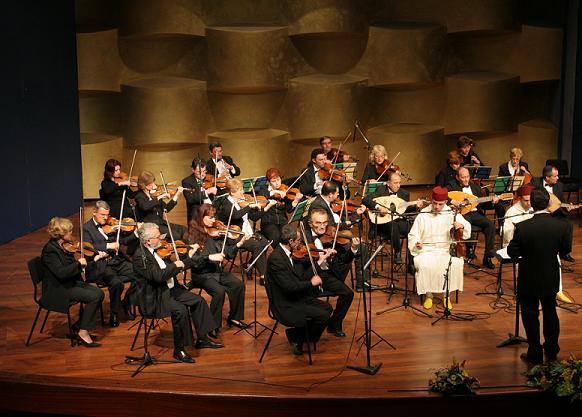
Once I'm at it I decided to add another short article about Andalusian music in general:
יסודה של המוסיקה האנדלוסית במאה התשיעית בימי השושלת העבאסית, בסביבת קורדובה שבספרד. תחילתה במסורת מוסיקלית חדשה שהובאה לספרד מבגדאד על-ידי זיריאב, תלמידו המחונן של אל-מוצלי, אשר ברח מקנאת מורו והתקבל בזרועות פתוחות בקורדובה בחצרו של השליט עבד אל-רחמן השני. בקורדובה פיתח זיריאב את היסודות למוסיקה האנדלוסית כפי שאנו מכירים עד היום, כולל הנובה, הסוגה המאפיינת את המוסיקה האנדלוסית, שיצירתה מיוחסת לו. במהרה התחבבה המוסיקה האנדלוסית על הכול והפכה לעמוד תווך בחיי התרבות והאומנות של ארצות המגרב, אצל מוסלמים ויהודים כאחד.
רק הפתיחות והסובלנות התרבותית כמו זו שאפיינה את ספרד המוסלמית בחברה פלורליסטית בה חיו והשפיעו אלה על אלה, מוסלמים, נוצרים, יהודים ובֶּרבֶּרים, אפשרה את האווירה לצמיחתה של מוסיקה שהיא עצמה תפר בין ערב למערב. למוסיקה האנדלוסית ייחודיות משלה המבחינה אותה מהמוסיקה שהתפתחה במזרחה של האימפריה העבאסית. גורמים שונים מייחדים אותה, ביניהם הקשר עם הסביבה הנוצרית, הכלים המוסיקליים החדשים באנדלוסיה וריחוקם של המוסיקאים והמשוררים שפעלו בספרד, מארצות מולדתם.
המוסיקה האנדלוסית נתפשת כמוסיקה אצילית וחגיגית. כפי שהיה מקובל בימי הביניים, גם המוסיקה האנדלוסית כוללת מסכתות ארוכות של יצירות מורכבות, וכאן תמלילן היה בערבית קלאסית. זוהי מוסיקה ווקלית בעיקרה, בה למלה תפקיד מרכזי ביפויי הצליל והשבחתו. הסוגה המאפיינת ביותר את המוסיקה האנדלוסית היא הנובה-סוויטה, במסורת מזרחית בת חמישה פרקים הפותחת במבוא אינסטרומנטלי, ואחריו שורה של פרקים קוליים נפרדים. לכל פרק טקסט משלו ומאפיינים מלודיים וקצביים המייחדים אותו.עם גירוש המוסלמים והיהודים מספרד, מצאו מוסיקאים רבים מקלט בארצות המגרב, לשם הביאו עימם את תרבות המוסיקה האנדלוסית, שהפכה למוסיקה הקלאסית המקומית.
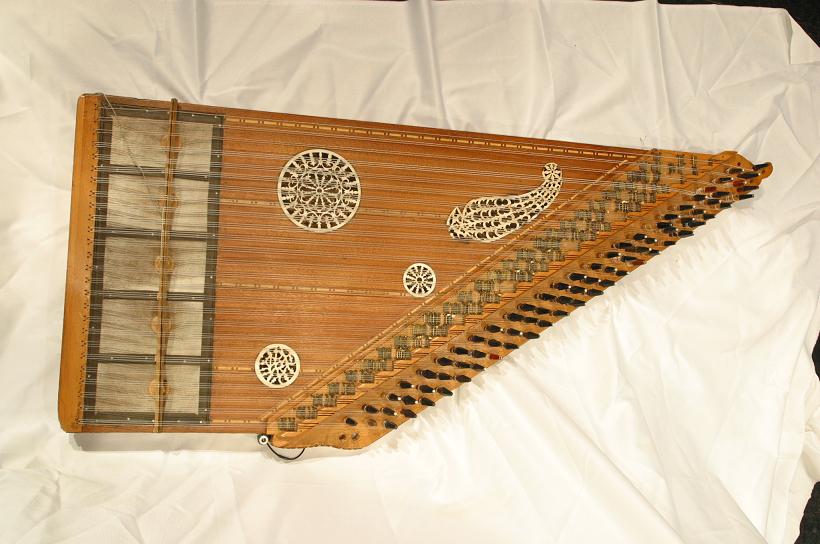
What is a "kanon" anyway?
I decided to add to this blog any random thing I might interesting (including stuff from the internet). This is a little aricle I found about the Moroccan instrument the "kanon"- might help to shed some light on it.
קאנון
(בעיברית :"חוק" אחד הכלים החשובים ביותר במסורת המוזיקה הערבית הקלסית הנפוץ בכל ארצות ערב מאז המאה ה- 10, כאשר המוזיקאים הערבים עבדו על פי התאוריה היוונית, בצורתו המקובלת הקנון הוא כלי פריטה בצורת טרפז ישר זווית בעל גוף תהודה שטוח.כיום נפוץ הקאנון בכל ארצות ערב ככלי למוזיקה אומנותית . יש בו לרוב 26 קבוצות מיתרים בנות שלושה מיתרים כל אחד. פורטים עליו באצבעות שתי הידיים - במפרטים עשויים כאצבעונים- היד הימנית מנגנת את השיר והשמאלית עוקבת אחריו באוקטבה אחת נמוכה יותר. פרט חשוב במבנה הקאנון הם הווים, היכולים לכסות חלק מן המיתר וע"י כך לקצרו ברבע צליל.
Subscribe to:
Posts (Atom)